
Background
Andy Moores was one of the first surgeons in the UK to perform total elbow replacement in dogs.
In 2005 he performed an ‘Iowa State’ elbow replacement on a dog called Tango, as featured on the BBC1 series ‘Super Vets’, and subsequently several other dogs with the same system. Tango did exceptionally well on his new elbow and died of old age a number of years later. The ‘Iowa State’ system was superseded by the ‘TATE’ elbow replacement system in the 2010s.
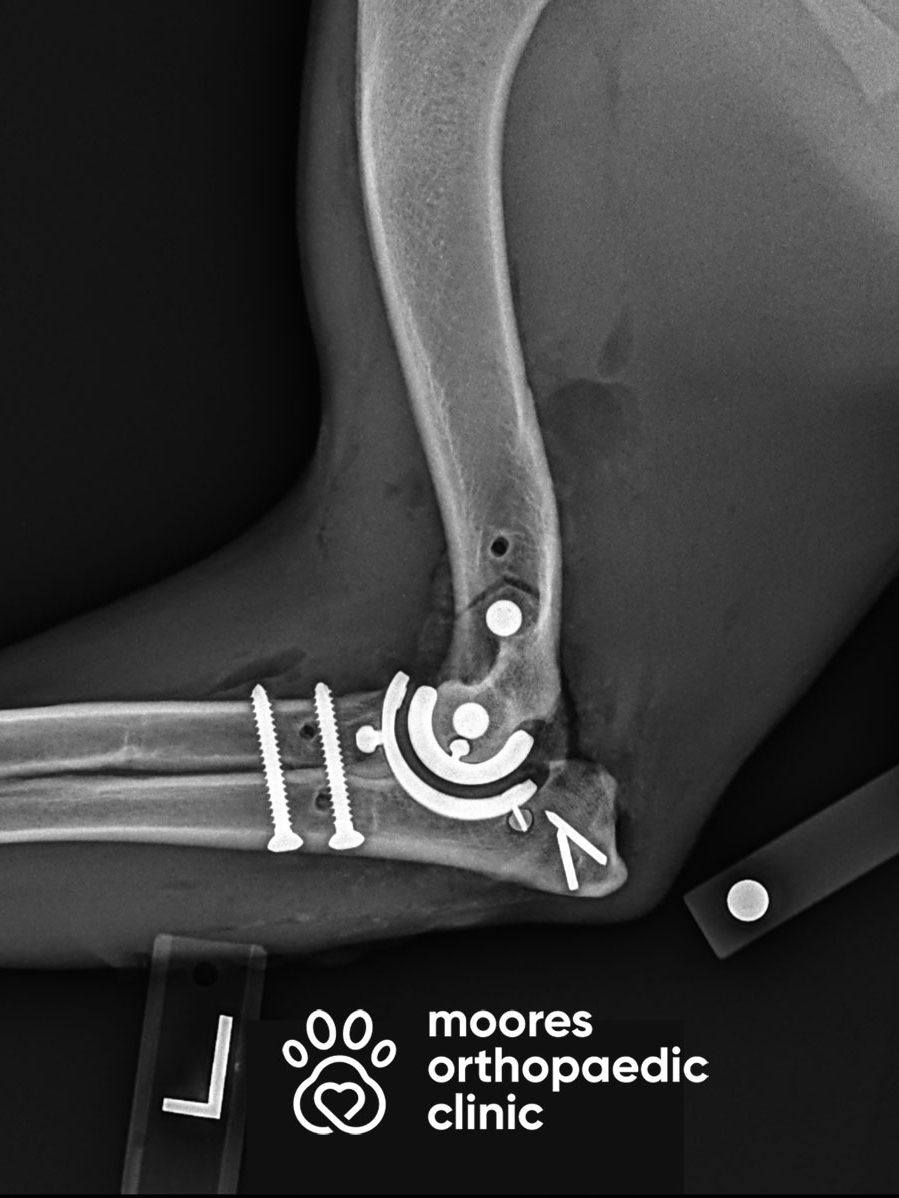
The first and second generation TATE elbow replacements were an improvement on the ‘Iowa State’ system with success rates of around 75% (success meaning good or acceptable function and improved pain). The 3rd generation TATE system is a significant improvement on previous generations. It has been in use with a small number of surgeons in the United States since 2020. Those surgeons are reporting significantly lower complication rates than with the previous generation systems. In 2024 Andy Moores was invited to attend the first 3rd generation TATE course in Boston for surgeons from outside the US and he is now one of only three surgeons in the UK, and the only one in the south, to be certified to perform 3rd generation TATE elbow replacements in dogs. You can read more in Andy’s TATE blog.
What is TATE elbow replacement?
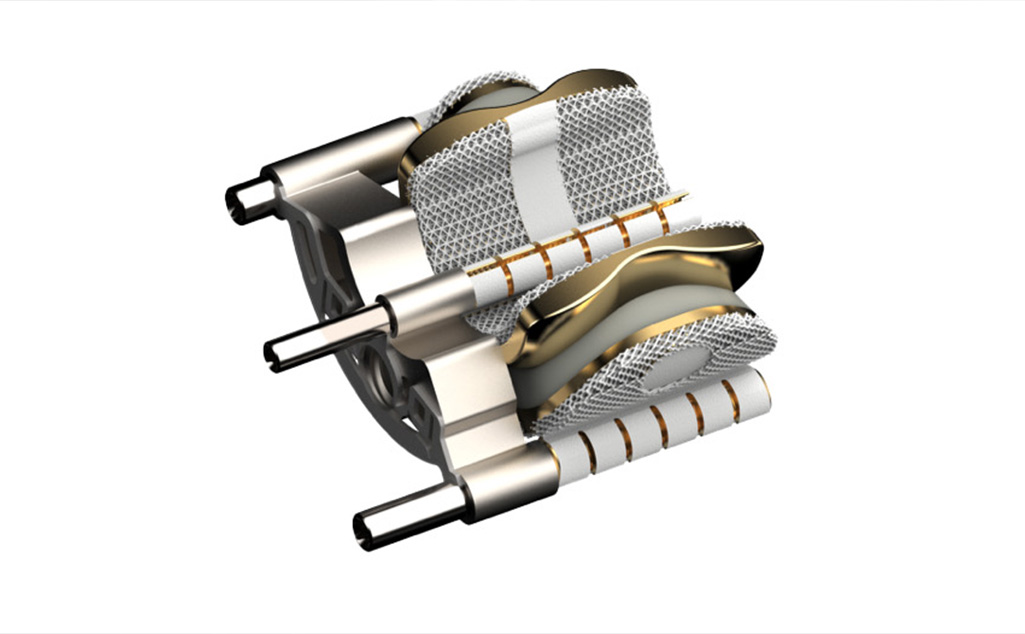
The TATE system involves complete replacement of the joint surfaces of the elbow and is therefore a total elbow replacement, unlike some systems which only replace a small part of the joint.
What patients are suitable for TATE elbow replacement?
Elbow replacement is only suitable for those dogs with elbow osteoarthritis who remain in pain or have restricted mobility despite medical management with painkillers.
Dogs that have had previous major elbow surgery (e.g. PAUL, CUE or SHO) or with fracture malunions, or that have had a humeral transcondylar screw placed as part of a fracture repair or HIF treatment, are not candidates. TATE elbow replacement can only be performed in mid-large breed dogs (as a rough guide 18-20kg+).
Dogs with severely limited elbow flexion (unable to achieve 90 degrees of flexion) are not likely to be suitable. Likewise, dogs with a history of recent infection in the joint will not be candidates. Dogs that have recently been having Librela (bedinvetmab) injections may have a higher risk of complications and we will ask you to stop these for at least three months prior to surgery, and preferably longer than this.
What can I expect before and after surgery?
Prior to surgery we will need to assess your dog and any previous x-rays or CT scans. For owners some distance from us the initial assessment can be performed remotely. If you wish to proceed with surgery after this assessment we will need to get up-to-date elbow x-rays, a CT scan and some video of your dog walking, at our clinic near Basingstoke. Older patients (8 years +) will need pre-anaesthetic blood tests. At the surgery visit your dog will stay in the clinic for at least two nights after surgery before being discharged with pain killers and comprehensive instructions for rest. Strict rest (no running, jumping, stairs, short lead walks for toileting only) will be important for at least the first 8 weeks after surgery. The leg will be bandaged/splinted after surgery for between 2 and 6 weeks and we may ask you to return to the clinic weekly for bandage changes during this time. Physiotherapy is important after surgery and we can help you to find a suitable physiotherapist if you are not working with one already. We will be available 24/7 to support you and offer advice. We will ask to see your dog again at 4, 8 and 12 weeks, 6 months and 1 year after surgery but will see you more frequently if required. For some of our distant clients we may delegate some of the postop care to your local vet.
From 8-12 weeks after surgery exercise will be gradually increased. By 8-12 weeks after surgery we expect dogs to be significantly more comfortable than before surgery. Dogs continue to improve beyond this point with most dogs being at their best by around 10 months after surgery. Check out our social media (@mooresortho) to see some of our elbow replacement patients’ postoperative journeys.
What are the downsides to surgery? As with any surgery there is a risk of complications and this risk is higher for a complex and non-routine surgery such as elbow replacement compared to more routine orthopaedic surgeries. Risks include infection, dislocation, fracture of the bones around the elbow and implant loosening, among others. With this new implant there is no published complication rate but we estimate it to be around 15%. The longevity of the implants is not known but there are dogs in the US which are doing well 5 years after surgery. If a serious complication were to occur (e.g. infection) then it is possible that arthrodesis (fusion of the elbow) or amputation may be necessary. Finally, this is a very involved and long surgery and the implants are expensive and so elbow replacement is a significant financial commitment.
All dogs having a TATE elbow replacement are entered into a clinical evaluation trial entailing in-person and x-ray follow-up at The Moores Orthopaedic Clinic at 8 weeks, 6 months and 12 months after surgery.
Why Moores Ortho?
Elbow replacement in dogs is a major surgery, and it is not yet a routine procedure. Only a limited number of surgeons are certified to perform 3rd generation TATE elbow replacement.
Andy Moores was invited to the first 3rd Generation TATE training course because of his background in elbow replacement and extensive experience in hip replacement surgery. He is the only surgeon in the south certified to perform this procedure. Furthermore, The Moores Orthopaedic Clinic was explicitly designed for complex surgeries such as these.
One of the most serious complications is infection, and to reduce this risk, our surgical theatres are designed to human theatre specifications with their own HEPA-filtered ventilation.
At the Moores Orthopaedic Clinic we can offer:
- Highly experienced surgeons
- A purpose-built modern clinic with facilities designed to minimise the risk of complications after orthopaedic surgery
- Detailed aftercare instructions and support during recovery
- Personal and professional service
- Very competitive pricing
Make an enquiry
Request more
information