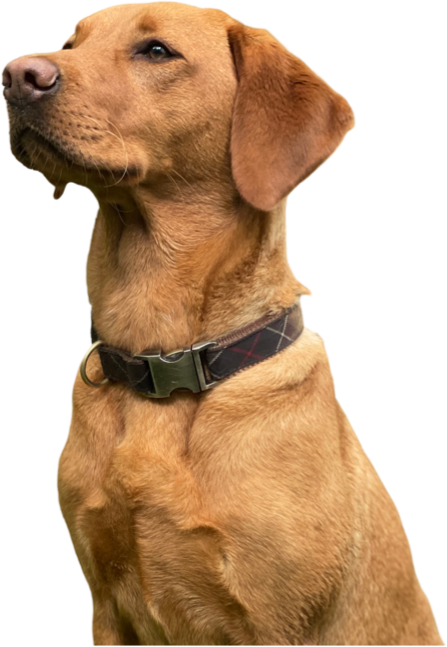

What is total hip
replacement surgery?
Advanced surgery to eliminate pain and restore mobility
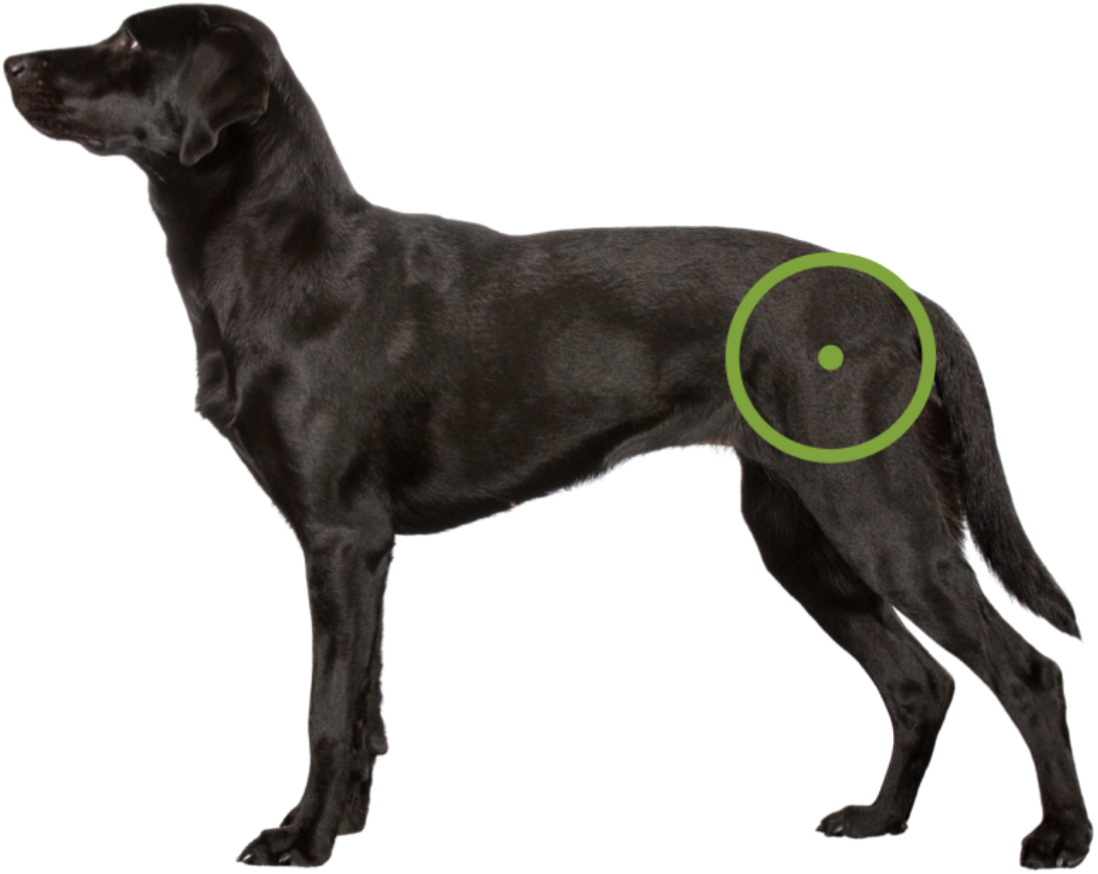
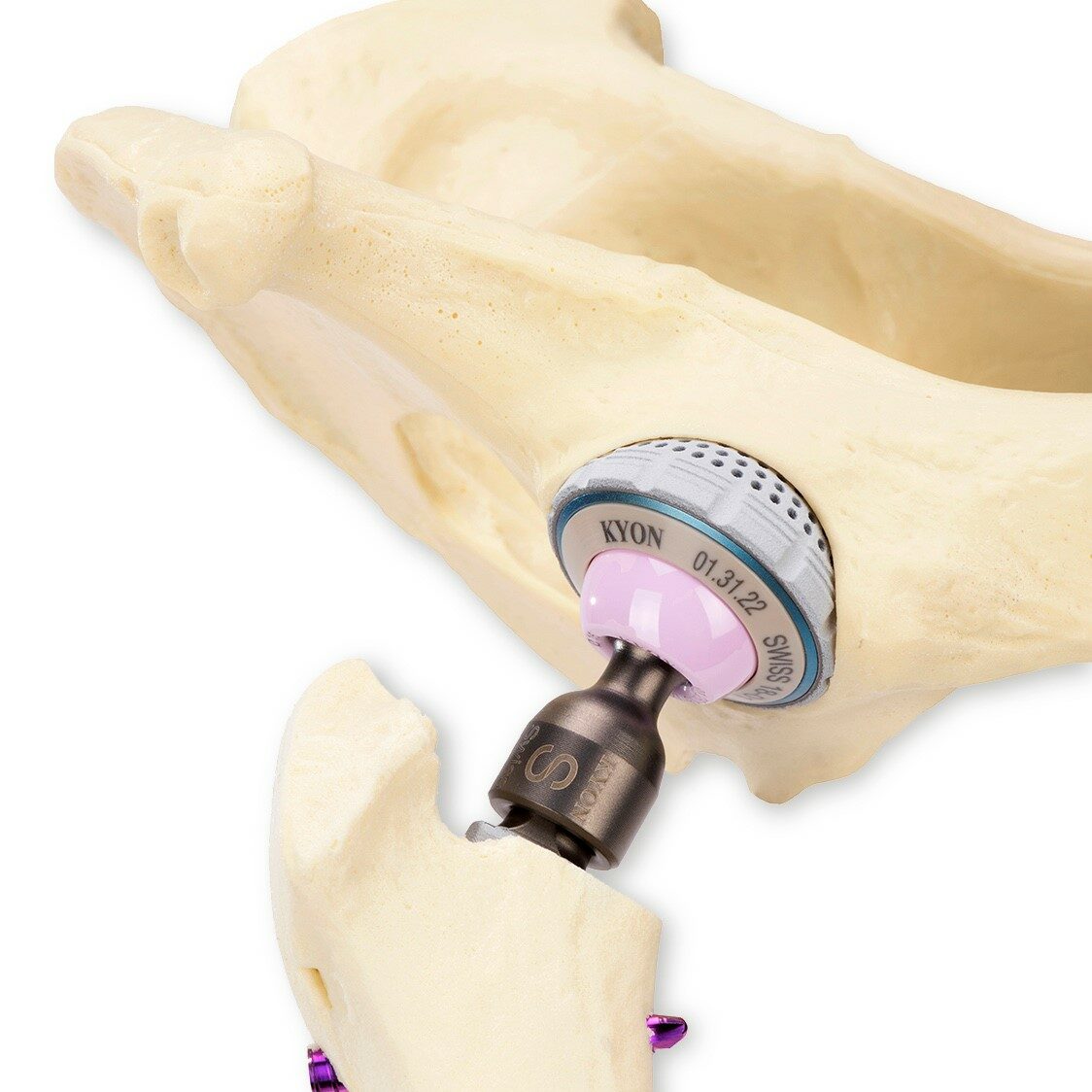
Total hip replacement (THR) involves removing your pet’s diseased hip joint and replacing it with a metal head and plastic/metal socket. By replacing an injured or diseased hip we can help pets live a normal life without joint pain. Total hip replacement is most commonly performed in dogs with hip dysplasia and arthritis, but it is also sometimes performed after fractures and other injuries to the hip and it can even be performed in cats. Hip replacement is an advanced orthopaedic procedure and should only be performed by very experienced orthopaedic surgeons and in clinics set-up to perform such procedures safely.
Andy Moores is one of the busiest and most experienced THR surgeons in the country, having performed hundreds of routine and complex hip replacements over the past 20+ years. Furthermore The Moores Orthopaedic Clinic was designed specifically for such complex procedures with spacious operating theatres with HEPA filtered ventilation and quiet, calm wards for recovering patients.
The surgery is recommended for pets with painful hips that have not responded to other treatments. Most pets will make a full recovery and have a much better quality of life free from hip pain. Owners often comment how much happier their pet seems after surgery. You can read more about THR in Andy’s blog.
For your peace of mind routine THR is a fixed-price which includes the initial assessment and x-rays and post-surgery support from our team. Furthermore we are so confident of our surgical success rates that we offer a surgical guarantee after routine THR surgery: in the unlikely event your pet suffers a complication after surgery we will manage this free-of-charge (T&Cs apply). We do not know of any other specialist centre in the south east that offers such good value.
Routine THR from £7,400 (see our Prices page for more details)
Why Moores Ortho?
THR is a very technical procedure and most cats and dogs return to full function without any problems, but complications are possible in a minority of patients. One of the most serious complications is infection and to reduce this risk our surgical theatres are designed to human theatre specifications with their own HEPA filtered ventilation. This level of air filtration is very rare in veterinary operating theatres but The Moores Orthopaedic Clinic was specifically designed with such measures in place to reduce patient risk. To facilitate accurate implant placement we routinely use intraoperative imaging during total hip replacement.
Andy Moores is one of the most experienced THR surgeons in the UK, having performed hundreds of these surgeries with very good success rates. Andy has co-authored several research papers on THR in cats and dogs and often lectures on total hip replacement surgery internationally. With such a technical procedure it is important to choose an experienced surgeon – inexperienced surgeons or those that perform hip replacement infrequently are more likely to have complications.
The Moores Orthopaedic Clinic is one of very few clinics in the UK able to offer fully cementless Kyon ‘Mini’ total hip replacement for cats. Other systems use cemented implants which can fail/loosen over time or stems that can move/loosen because they do not fit the feline femur (thigh bone) well. The Kyon stem is cementless and uses locking screws for immediate fixation -perfect for the feline femur.
At the Moores Orthopaedic Clinic we can offer:
- Expert assessment of your pet to ensure THR is right for them
- A highly experienced surgeon who has performed hundreds of total hip replacements and a team that performs this surgery most weeks of the year with very good success rates.
- If we do not think your pet will benefit from surgery then we will happily advise you of this
- A purpose-built modern clinic with advanced facilities, designed to minimise the risk of complications
- Detailed aftercare instructions and 24/7 support during recovery
- Personal and professional service
- Very competitive pricing and a surgical guarantee
What can you expect before and after surgery
At your initial appointment we will review your local vet’s history and any x-rays, and thoroughly assess your pet. We will advise you on treatment options and costs, whether this be THR or another treatment. If we are going to proceed with hip replacement then we may need to take more x-rays for surgical planning. A surgery date can then be scheduled.
After surgery, your pet will go home with a detailed postoperative care plan and any necessary medications.
Limitations in activity are essential, especially within the first eight weeks. These will be detailed on the postoperative care plan. We will always be available for advice if you need us and we will ask you to return to the clinic to check on your pet’s recovery and progress.
After recovery, most dogs can expect a return to full fitness free from pain, but it will take a few months at least to get back to full activity
Amber
11 months after her total hip replacement
FAQs
How much is a total hip replacement for a dog?
THR is a technical procedure requiring specialist expertise, equipment and implants, and the price reflects this. Our pricing is however extremely competitive compared to other centres. To help with your financial planning THR surgery is a fixed-cost procedure. See our prices page for more details
How long does it take for a dog to recover from hip surgery?
Most dogs are walking on the operated leg as soon as the day after surgery, but they need to be restricted to maximise their chances of an uncomplicated recovery. For the first eight weeks we will advise little more than toilet walks only, but after this period gradually increasing lead walks are started. Running, jumping and stairs must be avoided during the recovery period. Most dogs are starting off-lead activity 3-4 months after surgery. Recovery is a slow process but the results for most dogs will make THR surgery very worthwhile.
How successful is total hip replacement in dogs?
We expect the vast majority of cats and dogs to recover to full (normal) activity after their total hip replacement. As well as being more mobile and active after surgery owners also often comment on how much happier their pet is compared to before surgery.
Is total hip replacement surgery covered by my insurance?
Almost certainly yes, but do check your policy carefully (including the small print!) in case there are any exclusions or limits on cover. Some insurance policies will limit how much they pay-out for surgery. Some insurance companies will not cover surgeries involving prostheses (which would include hip replacements). If you are unsure about your level of cover then please let us know and we can investigate this for you.
Is total hip replacement a major surgery?
Yes, this is a major orthopaedic procedure and complications can occur. However, our team are very experienced in performing total hip replacement and it is a very routine surgery in our clinic. Furthermore, our modern clinic has been designed to minimise the risk of complications. The filtered ventilation system in our surgical suite, for example, meets the requirements for a human operating theatre and is designed to minimise the risk of infection, one of the most serious complications after total hip replacement.
What age can a dog have a hip replacement?
We generally prefer to wait until a dog is 10 months old before considering a total hip replacement but we will perform surgery in younger patients if they are very painful or have very severe hip disease.
Make an enquiry
Request more
information